
Swarr Prize Lecture
The Swarr Prize recognizes the best unpublished research paper written by a UCLA Political Science graduate student in a given year. All papers submitted must be authored by UCLA Political Science Department graduate student in good standing. The paper may be submitted for publication, but must not have appeared in print and must be article length. Papers are nominated by a Political Science/Faculty Senate member. Winners are selected by the Swarr Prize committee.
UCLA Political Science graduate students are notified via email for the submission date for applicants.
Prior year Swarr Prize winners

“The Effect of Income on Turnout: Evidence from Public Salary Records and Administrative Voting Data”
“Measuring Internalized Racism in African Settings: A New Explicit Scale from Kenya”

“Building Fiscal Capacity with Traditional Political Institutions: Experimental and Quantitative Evidence from Sierra Leone”

“Women Shape their Networks and Networks Shape their Women: The Impact of social networks on women’s socio-political outcomes”

“DC On My Mind: National Consideration in State Political Decision”
“On Failures of Human Solidarity: Rethinking as a Political Affect”
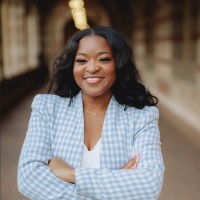
“The Closing Doors of Democracy: An Analysis of Polling Place Closures In North Carolina After Shelby County v. Holder”

2019-2020: Nicholas Muench
“Rifā’a Al-Ṭahṭāwī’s Argument for Engagement with Europe: Takhlīṣ al-Ibrīz fī Talkhīṣ Bārīz as a Mirror for Muḥammad ‘Ali”

2018-2019: Imil Nurutdinov
“From Christendom to Nation-State”

2018-2019: Fernando B de Mello
“Which Politicians Benefit from Non-Discretionary Polices and Why? Evidence from a Natural Experiment in Brazil”
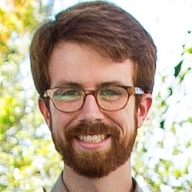
2017-2018: Kyle Barker
“Wonder Taken for a Sign: Kant and an Order of Freedom”

“Many are Called but Few are Chosen: the Emergence of Latino Congressional Condidates”

2013-2014: Felipe Nunes
“Core Voters or Local Allies? Presidential Discretionary Spending in Centralized and Decentralized Systems in Latin America”
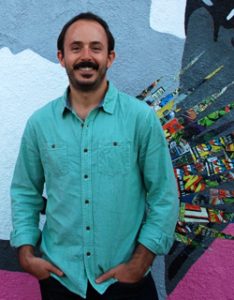
2012-2013: Sebastián Garrido de Sierra
“Eroded Unity and Clientele Migration. Explaining Mexico’s Democratic Transition”

“The Ever Present Dead: Death and Politics in Max Weber’s Thought”
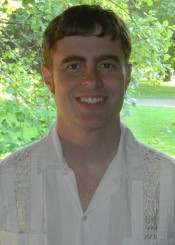
2010-2011: Brian Law
“The President and Congress in the Policy Making Arena: How and Why Most Executive orders Advance Congress’ Agenda”
“Global Evidence on Public Goods Provisions from Satellites”